Electric vehicles (EVs) represent a significant shift in automotive technology and maintenance requirements. Many enthusiasts and potential buyers often ponder, "Do electric cars need oil changes or spark plugs?" This question reflects the broader curiosity about how EVs differ from traditional gasoline-powered vehicles.
According to a 2022 report by the International Energy Agency (IEA), electric vehicles are expected to account for 30% of global car sales by 2030. This growing trend prompts the necessity for a better understanding of EV maintenance. Unlike conventional vehicles, electric cars do not require oil changes, thanks to their battery-powered engines. The absence of internal combustion means no engine oil is needed, drastically reducing ongoing maintenance costs.
Additionally, EVs do not utilize spark plugs. Traditional engines rely on spark plugs to ignite fuel, but this is irrelevant for electric propulsion. Yet, some aspects of maintenance, such as brake fluid checks and tire rotations, are still important. As the market evolves, educating consumers on these differences remains crucial for informed decision-making.
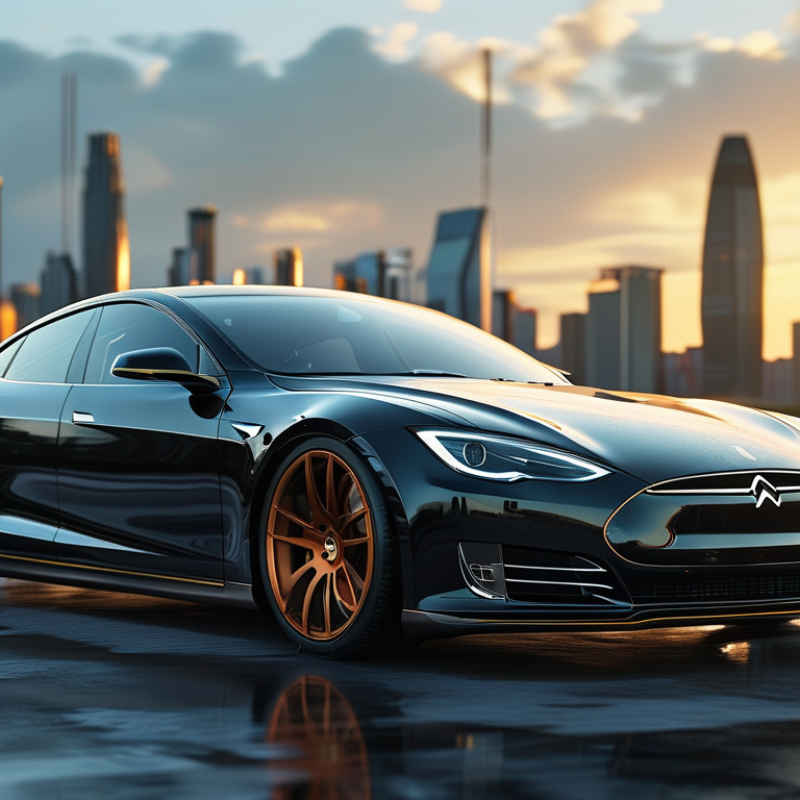
Understanding Electric Cars: Key Differences from Traditional Vehicles
Electric cars represent a significant shift from traditional gasoline vehicles, particularly regarding maintenance. Unlike conventional cars, electric vehicles (EVs) do not require oil changes. According to the U.S. Department of Energy, this eliminates a key aspect of vehicle upkeep, potentially saving owners both time and money. The average cost of oil changes is about $40 to $100, depending on the vehicle and type of oil used. For EV drivers, this is simply not a concern.
Furthermore, electric cars do not have spark plugs, which are essential for combustion engines. Spark plugs need regular inspections and replacements, which can add up over the years. The average lifespan of a spark plug is 30,000 to 100,000 miles, with costs ranging from $100 to $300 for replacements. EVs often offer fewer mechanical components, leading to reduced maintenance needs. However, they do require attention to battery management and electric systems.
Data shows that EV maintenance costs are approximately 60% lower compared to traditional vehicles. Challenges arise with battery health and replacement, which can be expensive and complex. Battery lifespan varies, often lasting between 8 to 15 years, but can degrade over time. This aspect necessitates ongoing evaluation and planning.
The Role of Oil Changes in Electric Vehicles: Are They Necessary?
Electric vehicles (EVs) have revolutionized the automotive industry. One common question is whether they require oil changes. Essentially, electric cars do not rely on traditional internal combustion engines which need oil changes. A significant report by the International Energy Agency states that electric vehicles will make up 30% of global car sales by 2030.
While electric cars have fewer moving parts, routine maintenance is still crucial. However, unlike conventional vehicles, there are no oil-related services. Instead, focus shifts to battery health and coolant checks. According to the U.S. Department of Energy, battery performance should be monitored closely, as proper maintenance can enhance longevity and efficiency.
For EV owners, there's a different kind of upkeep. Check tire pressure regularly. This simple action can help maximize range. Keeping software updated is equally vital. Manufacturers often release updates that enhance performance. Moreover, always follow your vehicle's maintenance schedule closely. Regular checks lead to a more efficient and longer-lasting electric car.
Spark Plugs in Electric Vehicles: Do They Exist and Why?
Electric vehicles (EVs) are revolutionizing the automotive industry. One common question people ask is about spark plugs. Do electric vehicles have spark plugs? The short answer is no. Spark plugs are essential components in traditional internal combustion engines. They ignite the fuel-air mixture for power. Electric vehicles, however, do not require this process.
Electric vehicles operate differently. They use electric motors powered by batteries. This eliminates the need for spark ignition. Instead of regular maintenance associated with spark plugs, EV owners focus on battery health and electrical systems. However, some may wonder if these components could play a role in performance or reliability down the line.
Understanding this helps clarify the differences between vehicle types. Although electric cars have fewer moving parts, other maintenance aspects can be surprisingly complex. Battery replacement can be costly, and charging infrastructure is still evolving in many areas. While the absence of spark plugs simplifies some aspects, it presents new challenges for EV owners to consider.
Maintenance Costs of Electric Cars Compared to Gasoline Vehicles
Electric cars are gaining popularity, and one key difference from gasoline vehicles is maintenance costs. Electric vehicles (EVs) typically have lower maintenance expenses. This is largely due to fewer moving parts. For example, EVs do not require oil changes or replacement spark plugs. These factors contribute to a significant reduction in the overall maintenance budget.
However, some EV owners may overlook other expenses. Battery replacement can be costly, depending on the vehicle model. Some batteries may need replacement after several years. Additionally, tire rotations and brake maintenance still apply. While brake wear is reduced in EVs due to regenerative braking, it is not eliminated. Thus, careful budgeting for long-term repairs remains essential.
Understanding the actual long-term costs of ownership is crucial. EVs can save money on daily maintenance tasks, yet potential future expenditures should not be ignored. Knowledge and planning can lead to more practical financial choices for potential electric vehicle owners. Always assess both current savings and future needs carefully.
Common Misconceptions About Electric Vehicle Maintenance Practices
Many people believe that electric vehicles (EVs) require the same maintenance as traditional gas-powered cars. This misconception is common, often leading to confusion among new EV owners. For instance, EVs do not require oil changes. Unlike internal combustion engines, they operate differently. This significantly reduces maintenance needs over time.
Another common misbelief is that electric cars need spark plugs. In reality, EVs utilize electric motors rather than combustion engines. Therefore, spark plugs are completely irrelevant. This may come as a surprise to some, but understanding this difference is crucial. Many drivers still worry about potential costs associated with repairs, but EVs generally have fewer moving parts.
Regular checks are necessary, especially for brakes and tires. While EVs may save on routine service, they aren’t entirely maintenance-free. Drivers should remain vigilant about battery health and software updates. This reflection can help ensure longevity in EV performance while dispelling long-standing myths.
FAQS
: No, electric vehicles do not rely on traditional engines that require oil changes.
Battery health and coolant checks are essential for electric vehicles.
Regularly check the tire pressure. A small action can make a big difference.
Electric vehicles do not have spark plugs, as they use electric motors instead.
Battery performance and software updates are crucial for optimal operation.
No, EVs have fewer moving parts and different maintenance needs.
Yes, replacing a battery can be costly. Keep battery health in mind.
No, regular checks for brakes and tires are still necessary.
Concerns arise from potential costs, but EVs generally have fewer moving parts.
Maintenance focuses on battery and software rather than oil changes and spark plugs.
Conclusion
Electric cars represent a significant shift from traditional gasoline vehicles, primarily due to their simpler mechanics and reliance on electric powertrains. One common question consumers have is, "Do electric cars need oil changes or spark plugs?" The answer is straightforward: electric vehicles do not require oil changes because they do not have internal combustion engines that rely on oil for lubrication. Furthermore, they do not use spark plugs, as they operate using electric motors instead.
In terms of maintenance costs, electric vehicles tend to be lower than their gasoline counterparts due to fewer moving parts and less frequent maintenance needs. However, there are still misconceptions about the upkeep of electric cars. Understanding these differences can help potential buyers feel more informed about the maintenance practices associated with electric vehicles and their long-term costs.

 Emy Car