China’s leading electric vehicles increasingly offer one-pedal driving, especially in urban traffic. This feature links accelerator release with regenerative braking. The motor slows the vehicle and sends part of that kinetic energy back to the battery. However, regeneration does not create free energy. It only recovers energy that would otherwise become heat through the brakes.
The International Energy Agency’s Global EV Outlook 2024 reports that electric car sales approached 14 million worldwide in 2023. China represented nearly 60% of those sales. This scale makes efficient daily driving increasingly important for Chinese EV owners. The U.S. Department of Energy also explains that regenerative braking can improve efficiency by recovering energy during deceleration. Still, results depend on speed, traffic, temperature, road gradients, tire pressure, and battery condition.
So, How to use one pedal driving to save battery? The practical answer begins with smooth inputs. Lift the accelerator gradually before intersections, rather than releasing it suddenly. Use gentle regeneration on open roads. Strong regeneration works better in slow traffic, where frequent braking is unavoidable. Keep a safe distance, and let the vehicle slow naturally. Avoid accelerating hard after every stop. That wastes the energy just recovered.
There is a limitation. One-pedal driving may feel efficient, but excessive regeneration can reduce coasting efficiency on flat roads. Cold batteries may also accept less regenerative power. Drivers should watch the energy display, not trust assumptions. A few kilometers of real-world testing can reveal the best setting for each route. The numbers may surprise you.
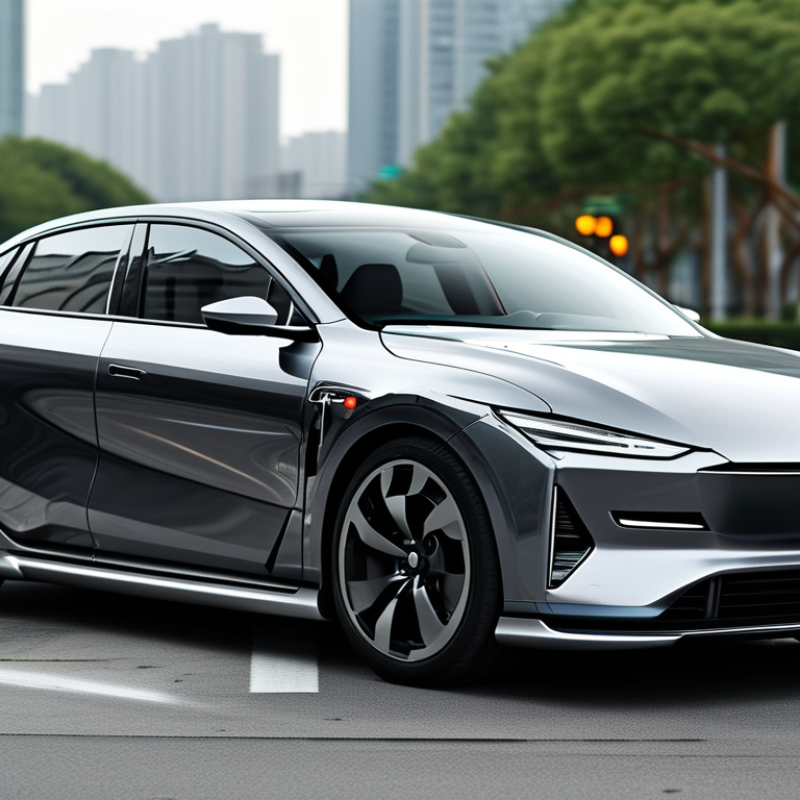
Understanding One-Pedal Driving in China’s Top EVs
One-pedal driving uses the accelerator to control both movement and deceleration. Press it gently, and the vehicle moves forward. Lift your foot, and regenerative braking slows the car. The motor works as a generator, sending part of the recovered energy back to the battery. It is not magic. Energy is still lost through resistance, tires, and battery conversion.
The International Energy Agency reported over 8 million electric cars sold in China during 2023, representing about 60% of global electric-car sales. That scale makes energy efficiency important in daily traffic. One-pedal driving can help most on crowded city roads, where repeated braking would otherwise turn motion into heat. I notice the difference during slow queues: the car eases down, and the brake pedal stays untouched. Not always.
Drivers should adjust the regeneration level carefully. A strong setting may feel abrupt near a crosswalk or on wet pavement. A softer setting can feel smoother, but it may recover less energy. The U.S. Department of Energy explains that regenerative braking captures energy normally lost through friction braking, although recovery depends on speed, battery temperature, and road conditions. Cold weather can reduce acceptance of charging energy. This is where the promise becomes less perfect. Watching the energy display, rather than trusting it blindly, remains useful. Lift early, keep steady pressure, and allow traffic space before the car slows.
It lets the accelerator control movement and slowing. Press gently to move forward. Lift gradually to activate regenerative braking. The motor sends some recovered energy back to the battery. It is not magic.
It suits slow city traffic, queues, and repeated red lights. Early lifting reduces friction-brake use and may recover some motion energy. Results vary with speed, temperature, tires, and road conditions. Not always.
Park safely and open the central display. Check Vehicle, Driving, or Energy settings. Select One-Pedal Driving, then choose low or medium regeneration. Menu names may change after software updates. Read the description carefully.
Test the setting on a quiet, dry road. Release the accelerator gradually and observe the slowing response. Strong regeneration may feel abrupt near crossings or on wet pavement. A weaker setting feels smoother but may recover less energy. Control matters more.
Yes. Keep your foot near the brake around pedestrians, cyclists, and crowded junctions. Regeneration cannot handle every situation. Use the brake normally when slowing feels weak or sudden. One pedal is not a substitute for attention.
It can reduce friction-brake use during repeated slowing. Smooth anticipation usually helps more than maximum regeneration. Cabin heating, high speed, tire pressure, and weather still affect range. The screen can mislead.
Avoid treating the accelerator like an on-off switch. Lift early before red lights and leave extra traffic space. Sudden lifting can feel uncomfortable and may waste some efficiency. I still lift too late sometimes.
A fully charged battery may limit regeneration because it has little storage space. Cold batteries may also accept less recovered energy. Check the energy display before descending a hill. Do not force regeneration.
Choose a predictable regeneration level and monitor the battery display. Keep a safe distance from vehicles ahead. If regeneration becomes weak, use the brake pedal normally. Smooth control remains more important than a perfect energy estimate.
One-pedal driving is a useful feature in many modern electric vehicles because it combines acceleration and regenerative braking through the accelerator pedal. When the driver eases off the pedal, the vehicle slows down and converts part of its motion into electrical energy, sending it back to the battery. This can reduce unnecessary energy loss and make driving smoother. How to use one pedal driving to save battery? Begin by activating the feature in the vehicle’s driving or energy-recovery settings, then choose a comfortable regeneration level.
The system works best when drivers plan ahead, gradually release the pedal, and maintain steady speeds. In city traffic, it can reduce repeated use of the brake pedal, while on open roads a moderate setting may provide better comfort. Drivers should still use the regular brake when necessary, especially during sudden stops, steep slopes, rain, or slippery conditions. Avoid abrupt acceleration, excessive regeneration at high speeds, and keeping the battery at extreme charge levels for long periods to support battery health.

 Emy Car