As electric vehicles (EVs) continue to gain popularity, many homeowners are asking, "What is the best time of day to charge an EV at home?" According to Kevin Kline, a well-known energy analyst, “Timing your charging can save you significant money and reduce stress on the power grid.”
Charging your EV during off-peak hours can lower your electricity costs. Typically, this means late at night or early in the morning. Utilities often offer lower rates at these times, making it a financially sound choice. However, this may not suit everyone's schedule. Some people may prefer charging during the day when they are at home.
It is essential to consider your habits. An effective charging routine balances cost savings and convenience. Not everyone can adapt to nighttime charging. Therefore, exploring different charging strategies may lead to better results. Reflecting on your lifestyle can assist in making an informed decision about your EV charging schedule.
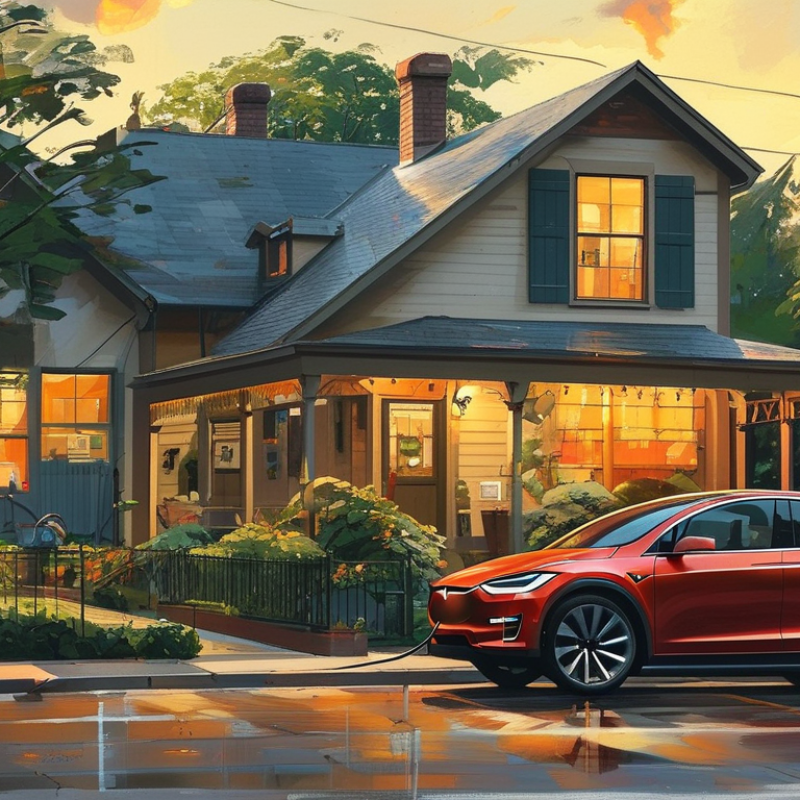
Charging an electric vehicle (EV) at home requires consideration of electricity rates. Many utility companies offer variable pricing based on the time of day. Generally, nighttime hours often have lower rates. This is when overall demand is lower, making it a cost-effective choice. It can be beneficial to set your charging schedule during these off-peak hours.
However, some regions may have different structures. For example, certain areas can have high costs during late night or early morning. Consumers should check local rates carefully. Understanding your specific rate plan is essential for minimizing costs. Also, consider the impact of demand charges. If you're not cautious, these can lead to unexpectedly high bills, defeating the purpose of saving money.
Keep in mind that human error plays a role here. Forgetting to set the charger or miscalculating rates can occur. Additionally, battery health can be affected by frequently charging at high rates. It's essential to strike a balance between convenience and cost-effectiveness. Each EV owner's situation is unique. Exploring local options and regularly reviewing your charging habits can help optimize your experience.
Charging your electric vehicle (EV) at home can be more cost-effective by understanding time-of-use (TOU) tariffs. These tariffs dictate different energy rates based on the time of day. During peak hours, electricity is more expensive. This is when grid demand is high. Off-peak hours offer lower rates. This is when demand drops significantly.
By charging during off-peak times, you can save money. Many EV owners find charging overnight works best. You can program your charger to start at a specific time. This ensures you take advantage of lower rates while you sleep. However, some may forget to set this up and end up charging during peak hours. It's essential to plan ahead and monitor your local utility fees.
Understanding the nuances of TOU tariffs is crucial. Each region has its specific peak and off-peak times. Often, these hours can shift with seasons or local policies. By staying informed about your energy provider's tariffs, you enhance your charging strategy. This not only saves money but also supports grid stability. Yet, many users remain unaware of how small changes can yield savings. Regularly reviewing energy habits and charges can lead to better outcomes.
Smart chargers play a pivotal role in optimizing electric vehicle (EV) charging at home. These innovative devices can be programmed to charge your EV during off-peak hours. According to the U.S. Department of Energy, charging during these times can save you up to 50% on electricity costs. Moreover, smart chargers can adjust charging rates based on electricity demand, helping reduce stress on the grid during peak hours.
The use of smart chargers also enhances EV battery life. By avoiding high charge levels and optimizing charging intervals, these devices can prolong the longevity of your battery. A report from the International Council on Clean Transportation states that managing charge cycles effectively can extend battery life by 20% or more. However, relying solely on technology raises concerns. For some users, understanding the intricacies of scheduling may feel overwhelming. This can lead to missed opportunities for maximized efficiency.
While the convenience of smart charging is apparent, not all households are equipped to take full advantage. Older home electrical systems may limit charging capabilities. Additionally, some consumers may not trust the technology completely. Striking a balance between convenience and dependence on technology remains a challenge for many EV owners. Addressing these concerns is essential for integrating smart chargers into everyday life.
Charging your electric vehicle (EV) during renewable energy hours significantly impacts the environment. Many power grids utilize solar and wind energy during specific times. When these renewable sources peak, they help reduce reliance on fossil fuels. Advocates for EV use emphasize this benefit, noting that cleaner energy results in lower carbon emissions.
However, data shows that not all EV owners optimize these charging hours. Many charge their vehicles in the evening or early morning when conventional energy sources dominate. This misalignment detracts from the potential environmental benefits. Charging when renewable energy is abundant contributes to a sustainable future. It promotes cleaner air and a healthier planet.
The commitment to charging during renewable energy hours is not just an individual effort; it requires awareness and education. EV owners must stay informed about peak renewable times in their area. Failing to do so may hinder the transition toward greener energy. Embracing this knowledge can be challenging, but the positive impact on the planet is worth striving for.
When it comes to electric vehicle (EV) charging, timing matters significantly for maximizing battery life. Many believe that charging any time is sufficient, but that's not entirely true. Ideally, charging your EV during off-peak hours is best. These times usually occur late at night or early in the morning. The cooler temperatures during these hours can help maintain battery efficiency.
Frequency also plays a crucial role. It is generally recommended to charge your EV when the battery level drops to about 20% to 30%. Overcharging can lead to increased battery wear, and frequently charging to 100% may not be necessary for daily commutes. For some, this can be a tough adjustment, as it feels convenient to plug in at 100%. But a more flexible charging pattern can enhance battery longevity.
Regularly checking software updates is vital. Many EVs come with smart charging capabilities that can optimize charging based on your routine. Be mindful that every battery is unique. Adjusting your habits takes time, and trial and error is part of the journey. Understanding these factors can lead to a more sustainable and efficient use of your EV.
: TOU tariffs offer different energy rates based on the time of day. Peak hours have higher rates due to increased demand.
Charge your EV during off-peak hours for lower rates. Setting your charger to work overnight helps maximize savings.
Knowing your region's peak and off-peak times can enhance your charging strategy and save you money.
Smart chargers can be programmed to charge during off-peak hours, potentially saving up to 50% on electricity costs.
Yes, they optimize charging intervals, which can increase battery longevity by 20% or more when used correctly.
Many find the scheduling and technology overwhelming, leading to missed opportunities for efficient charging.
Charging when solar and wind energy is abundant reduces reliance on fossil fuels, lowering carbon emissions.
No, many charge during conventional energy hours, missing out on the environmental benefits of renewable sources.
Understanding peak renewable energy times can help reduce carbon footprints and promote sustainable practices.
Some individuals may distrust the technology or have outdated home electrical systems that limit charging efficiency.
When considering "What is the best time of day to charge an EV at home?", it's essential to evaluate electricity rates, especially the differences between peak and off-peak charging times. Understanding time-of-use tariffs can significantly reduce charging costs, making it more economical to charge during off-peak hours when demand is lower. Additionally, smart chargers play a crucial role in automating and optimizing EV charging schedules, ensuring vehicles charge at the most advantageous times.
Another vital aspect to consider is the environmental impact of charging during hours when renewable energy is abundant. By aligning your charging habits with these hours, you can contribute to a cleaner energy grid. Moreover, for battery health, adhering to recommended charging frequency and timing can maximize your EV’s battery life, ensuring its efficiency and longevity. By combining these strategies, EV owners can maximize savings, environmental benefits, and battery longevity, making informed decisions about charging at home.

Emy Car